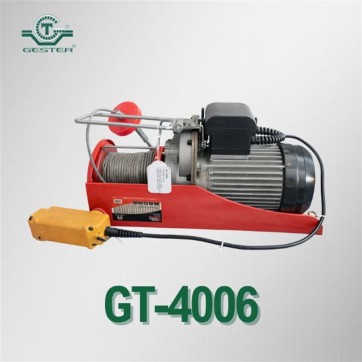
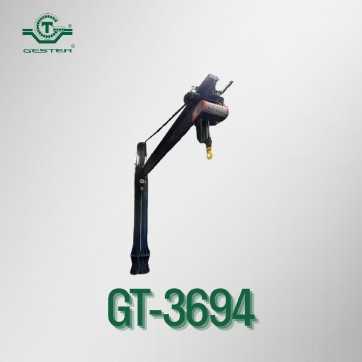
Used Hoists and Overhead Cranes
In industrial facilities, the safe and efficient movement of heavy loads is essential for maintaining productivity. At Gester, we specialise in second-hand industrial machinery and offer used hoists and overhead cranes for lifting, positioning and transporting materials within factories, warehouses, workshops and production plants.
Industrial Lifting Equipment for Material Handling
Hoists and overhead cranes form part of broader conveying and storage machinery systems. These machines can reduce manual handling, improve the movement of heavy components and support safer workflows between storage, production and maintenance areas.
Depending on the application, available lifting equipment may include electric hoists, manual chain hoists, pneumatic hoists, hydraulic lifting systems, travelling trolleys and overhead cranes. The correct solution will depend on load weight, lifting height, operating frequency, available power supply and the structural characteristics of the facility.
What Is a Hoist?
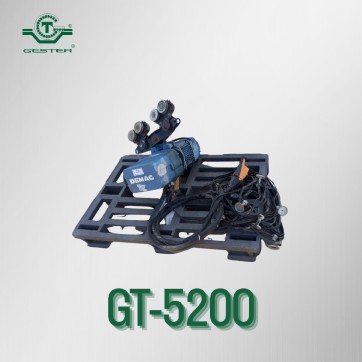
A hoist is a mechanical lifting device designed to raise and lower loads vertically. It is commonly installed above a workstation, attached to a fixed support or mounted on a travelling trolley that allows the load to move along a beam.
Hoists may be used to lift motors, tools, moulds, containers, machine components and other heavy items. In facilities where materials are transferred between storage and processing areas, lifting systems can work alongside transport and loading equipment to create a more complete internal logistics solution.
Electric Hoists
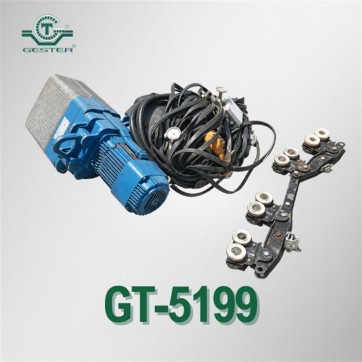
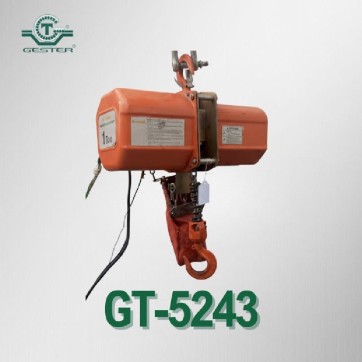
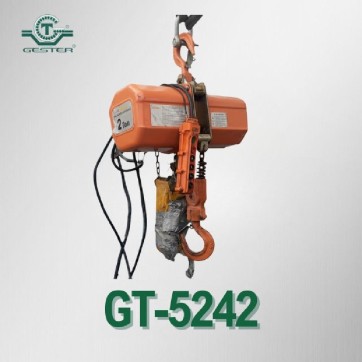
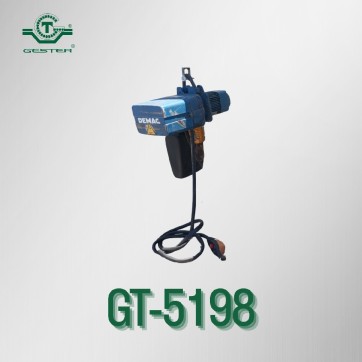
Electric hoists use a powered motor to lift and lower loads with limited physical effort. They are suitable for repetitive operations that require greater lifting speed, consistent movement and frequent use throughout the working day.
Before choosing an electric hoist, it is important to review the rated capacity, lifting speed, duty cycle, suspension system, chain or wire-rope length and compatibility with the available electrical supply.
Manual Hoists
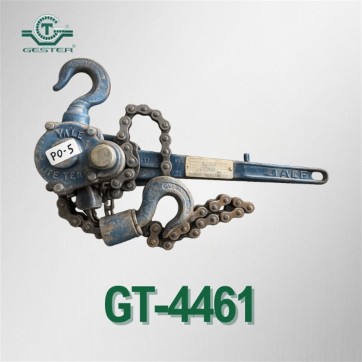
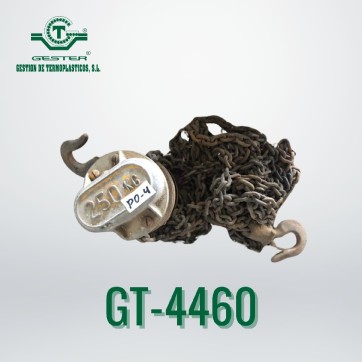
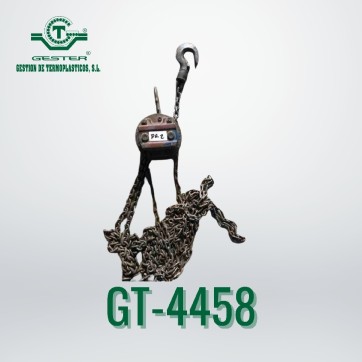
Manual hoists operate through a hand chain, lever or pulley mechanism. They provide a practical and economical solution for occasional lifting work, maintenance tasks and locations where electrical power is unavailable.
Their compact construction also makes them suitable for temporary installations or operations where lifting equipment must be moved between different working areas.
Pneumatic Hoists
Pneumatic hoists are powered by compressed air and can provide controlled lifting in demanding industrial environments. Depending on their design and certification, certain models may be suitable for areas where conventional electrical equipment is undesirable.
The available compressed-air pressure, lifting capacity, air consumption and environmental conditions should be assessed before selecting a pneumatic system.
Hydraulic Hoists
Hydraulic lifting systems use pressurised fluid to generate lifting force. They are commonly associated with applications that require controlled movement of heavy loads and robust performance under demanding operating conditions.
What Is an Overhead Crane?
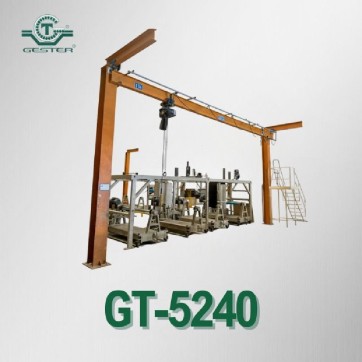
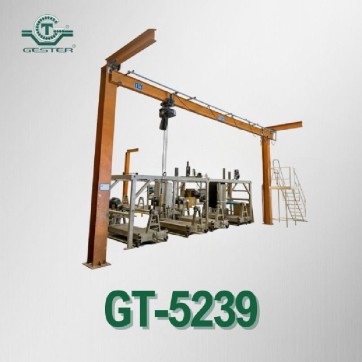
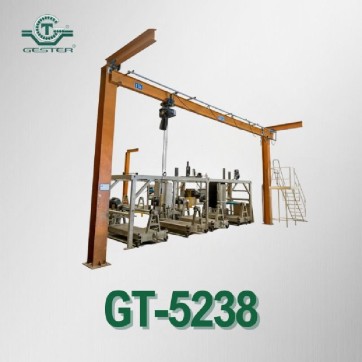
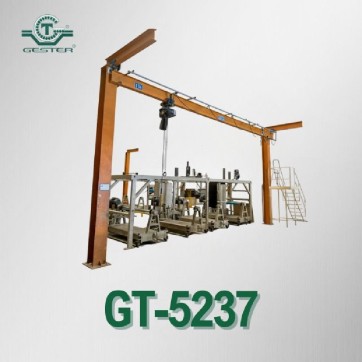
An overhead crane is a lifting structure that travels along elevated runways installed within an industrial building. A hoist moves across the crane bridge, allowing loads to be raised vertically and transported horizontally over a defined working area.
Overhead cranes are commonly used in manufacturing plants, warehouses, metalworking facilities, maintenance workshops and complete industrial plants where heavy machinery, raw materials or finished products must be moved between several production zones.
The configuration of an overhead crane may include a single-girder or double-girder bridge, end carriages, runway rails, a travelling hoist and a control system. Available controls may include pendant stations, wired systems or remote-control units, depending on the model.
Hoist vs Overhead Crane
Although hoists and overhead cranes are frequently mentioned together, they perform different functions within the same lifting installation.
- The hoist: raises and lowers the load vertically.
- The trolley: moves the hoist horizontally along the crane beam.
- The overhead crane: moves the entire bridge across the runway system.
- The control system: allows the operator to manage lifting and travelling movements.
Together, these components create a lifting system capable of moving heavy loads across a wider area than a fixed hoist. The final configuration must be selected according to the load, building dimensions, required travel and operating conditions.
Applications of Hoists and Overhead Cranes
Lifting equipment can be used for loading machinery, positioning tools, moving containers, replacing production components and supporting maintenance operations. In plants that store raw materials in tanks and hoppers, a hoist may also assist with installation, maintenance or the controlled handling of removable components and bulk-material containers.
Hoists and overhead cranes are also useful for handling moulds, dies and tooling associated with industrial presses. These components can be extremely heavy, so suitable lifting equipment helps position them more accurately while reducing dependence on manual handling.
Benefits of Buying Used Hoists and Overhead Cranes
- Lower acquisition cost: Used lifting equipment can require significantly less investment than an equivalent new installation.
- Faster availability: Machinery already in stock may be implemented sooner than equipment manufactured to order.
- Improved material handling: Hoists and cranes help move heavy loads with greater control and less manual effort.
- Flexible industrial use: Equipment may be suitable for production, storage, maintenance, loading and assembly operations.
- Extended equipment life: Reusing suitable industrial machinery supports a more efficient use of existing resources.
Available equipment can be reviewed according to its condition, rated capacity, lifting height, span, runway requirements, operating speed and control system. Any lifting machinery must also be assessed in relation to local safety regulations and the structural conditions of the intended installation.
How to Choose the Right Lifting Equipment
The first factor to determine is the maximum load that must be lifted. A suitable safety margin should be considered, and the selected machinery must never be used above its rated working capacity.
Other important factors include the required lifting height, horizontal travel distance, operating frequency, available headroom and whether the system will be installed permanently or used as portable equipment.
For overhead cranes, the span between runways, structural support and dimensions of the working area must also be verified. Installation, inspection and commissioning should be carried out by qualified professionals according to applicable regulations.
Frequently Asked Questions
Explore our available used hoists and overhead cranes to find a practical solution for lifting, positioning and moving heavy loads within your facility. Contact Gester for current availability, technical details and assistance selecting suitable equipment for your operation.
 Recycling and pelletizing
9 types
Recycling and pelletizing
9 types
 Extrusion
8 types
Extrusion
8 types
 Mixing equipment
2 types
Mixing equipment
2 types
 Conveying and storage
8 types
Conveying and storage
8 types
 Drying and cooling
2 types
Drying and cooling
2 types
 Cutting, pressing and packaging
4 types
Cutting, pressing and packaging
4 types
 Plastic processing machinery
3 types
Plastic processing machinery
3 types
 Electromechanical equipment
7 types
Electromechanical equipment
7 types
 Miscellaneous machinery
11 types
Miscellaneous machinery
11 types