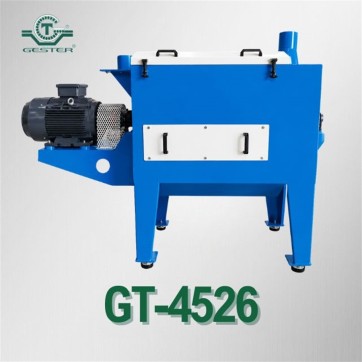
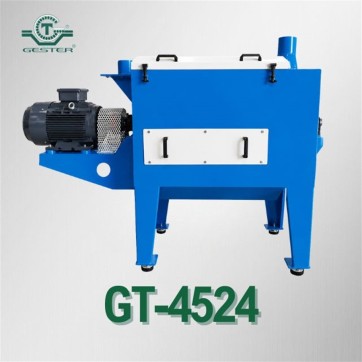
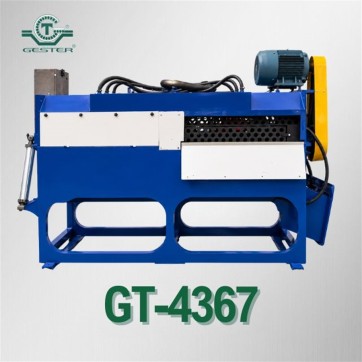
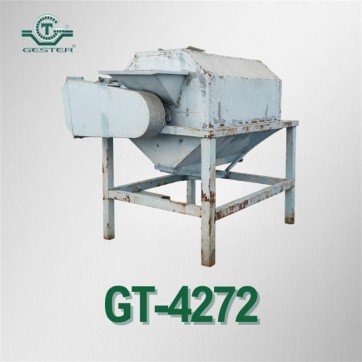
Centrifuges for Recycled Plastic
Growing concern for the environment and the need for sustainable plastic waste management have encouraged the development of advanced technologies in the recycling sector. Among these, centrifuges for recycled plastics play a key role in cleaning, dewatering and preparing materials for subsequent processing.
What Is a Plastic Centrifuge Machine?
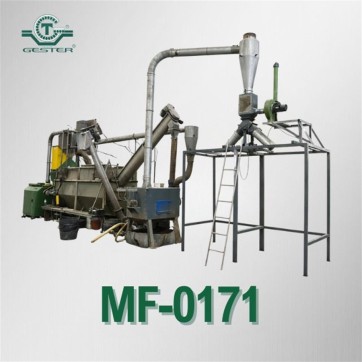
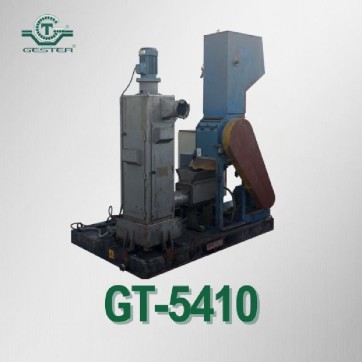
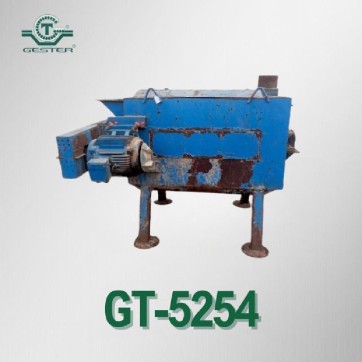
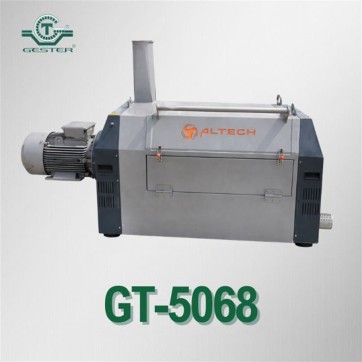
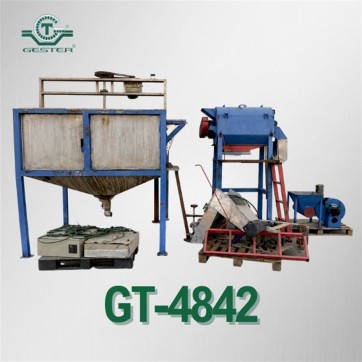
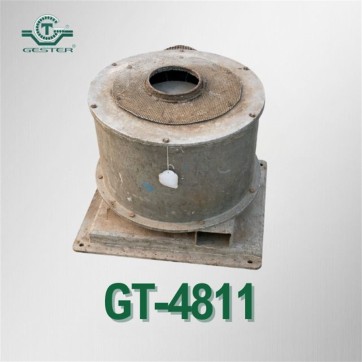
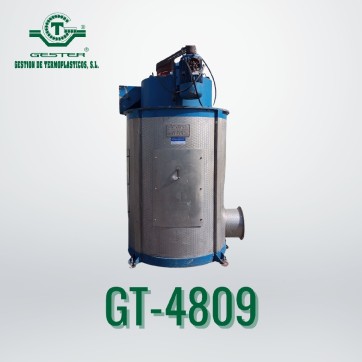
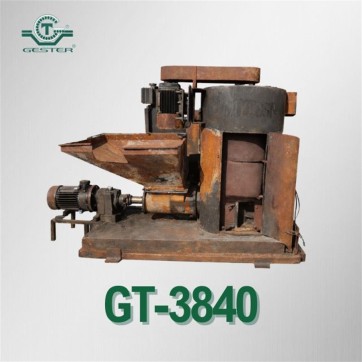
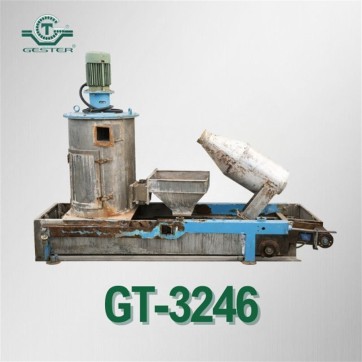
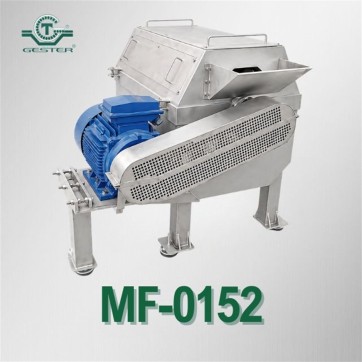
A centrifuge is a machine designed to efficiently separate water, impurities and other contaminants from plastic waste. Through high-speed rotation, centrifugal force expels liquids and loose particles, leaving the processed material cleaner and with a lower moisture content.
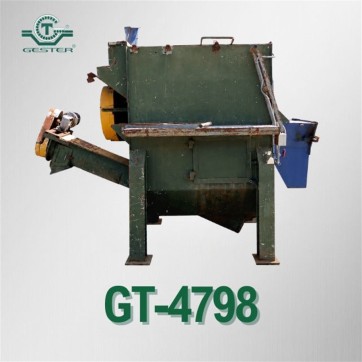
In many plastic recycling lines, industrial shredders are used before washing and centrifugal drying to reduce bulky waste into smaller pieces. This improves material handling, exposes a larger surface area for cleaning and provides a more consistent feed for the centrifuge.
Benefits of Using Centrifuges for Plastics
Increased efficiency in the recycling process: Plastic centrifuges accelerate water separation and dewatering, reducing processing times and increasing overall productivity.
Improved quality of the recycled material: By removing water and residual contaminants, centrifuges help produce cleaner material that is better prepared for reuse in new manufacturing processes.
Reduced costs: Optimising dewatering with plastic centrifuge equipment can reduce drying requirements, energy consumption and production costs.
Increased sustainability: By supporting plastic recovery and reducing dependence on virgin raw materials, centrifuges contribute to a more circular and sustainable production model.
Types of Centrifuges for Plastic Recycling
There are different types of centrifuges, each designed for specific materials, moisture levels and production requirements. Some common configurations include:
Perforated basket centrifuges: Suitable for separating liquids from granular or medium-sized materials.
Disc centrifuges: Designed for applications requiring the separation of fine solids and liquids.
Screw centrifuges: Used for continuously dewatering materials with a high moisture content.
Once the recycled plastic has been cleaned and sufficiently dried, it can be transferred to a plastic pelletizer or another downstream processing system to produce uniform, reusable material for new manufacturing applications.
Applications of Industrial Centrifuges
Industrial centrifuges are used in a wide variety of sectors and processes, including:
Plastics industry: Dewatering recycled PET, HDPE, LDPE, PP and other plastic materials after washing.
Paper industry: Recovery of paper fibres and dewatering of pulp.
Food industry: Separation of solids and liquids in food production processes.
Wastewater treatment: Dewatering sludge and separating suspended solids from liquids.
Industrial centrifuges are important pieces of equipment for improving the efficiency and sustainability of recycling processes. By providing an effective solution for dewatering and material preparation, these machines help improve recycled material quality and facilitate subsequent processing.
When choosing a plastic centrifuge, it is important to evaluate processing capacity, material type, input moisture, required output moisture, rotor design, energy consumption and compatibility with the existing recycling line.
Contact Gester Machinery for information about available centrifuges, technical specifications, dimensions, condition, price and international shipping options.
If you would like to know more about our catalogue of plastic recycling machines, we recommend the storage silos.
Frequently Asked Questions
 Recycling and pelletizing
9 types
Recycling and pelletizing
9 types
 Extrusion
8 types
Extrusion
8 types
 Mixing equipment
2 types
Mixing equipment
2 types
 Conveying and storage
8 types
Conveying and storage
8 types
 Drying and cooling
2 types
Drying and cooling
2 types
 Cutting, pressing and packaging
4 types
Cutting, pressing and packaging
4 types
 Plastic processing machinery
3 types
Plastic processing machinery
3 types
 Electromechanical equipment
7 types
Electromechanical equipment
7 types
 Miscellaneous machinery
11 types
Miscellaneous machinery
11 types