Presses for Plastic Materials
Presses for plastic materials are essential machines in industrial recycling and waste management processes, providing an efficient solution for compressing plastic waste, reducing its volume and optimising storage and transportation. These machines use mechanical or hydraulic force to compact materials into manageable bales, making them particularly useful for companies that handle large quantities of plastic waste.
At Gester, we specialise in supplying second-hand industrial machinery, including hydraulic presses, plastic balers and compactors designed for different production and recycling requirements. Our selection of used equipment helps businesses improve their waste management processes while keeping investment costs under control.
Hydraulic Presses for Plastic Materials
Hydraulic presses use pressurised fluid to generate the force required to compress materials. In plastic recycling applications, these machines are commonly used to compact bulky waste into dense bales, reducing the space needed for storage and simplifying handling throughout the recycling process.
A hydraulic plastic press can be particularly beneficial for businesses working with plastic packaging, production offcuts and recyclable materials. Depending on the equipment configuration, these machines can handle different types of plastic waste while maintaining controlled pressure throughout the compaction process.
At Gester, we offer different hydraulic press configurations, from compact vertical machines to larger horizontal baling systems. Each type is designed to meet specific operational requirements, allowing companies to select equipment according to their available space, material volume and production needs.
Key Advantages of Using Hydraulic Presses
- High Compaction Force: Hydraulic systems generate controlled pressure to compress bulky plastic materials into smaller, more manageable volumes.
- Improved Storage Efficiency: Compacting plastic waste reduces the space required for material accumulation and storage.
- Reduced Transportation Costs: Denser bales can improve vehicle loading efficiency, reducing the number of collections required.
- Operational Versatility: Different hydraulic press configurations can process a variety of recyclable materials, depending on the machine specifications.
- Reliable Industrial Performance: Hydraulic presses are designed for demanding operating conditions, making them suitable for regular use in industrial environments.
Types of Plastic Press Machines
Choosing the right plastic press machine depends on the type of material being processed, the amount of waste generated and the available workspace. Different press systems for plastics offer specific advantages in terms of capacity, operation and material handling.
Vertical Hydraulic Presses
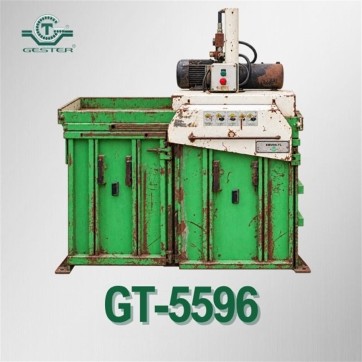
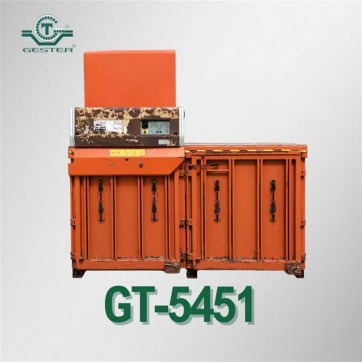
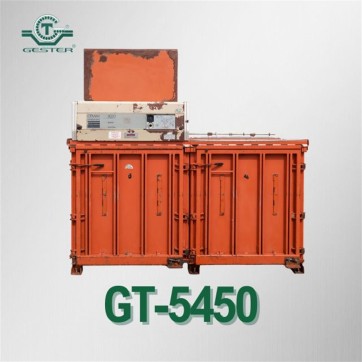
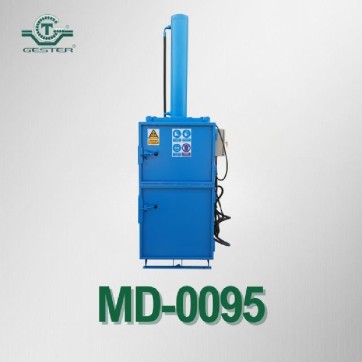
Vertical hydraulic presses are commonly used in facilities where space is limited or where moderate quantities of recyclable materials need to be compacted. These machines apply downward pressure to compress plastic waste inside a chamber, producing bales that are easier to store and transport.
They are particularly suitable for warehouses, recycling facilities and industrial businesses that need a practical solution for managing packaging materials and production waste. Gester offers equipment such as the vertical hydraulic press, providing an alternative for companies looking for second-hand compaction machinery.
Horizontal Hydraulic Presses and Balers
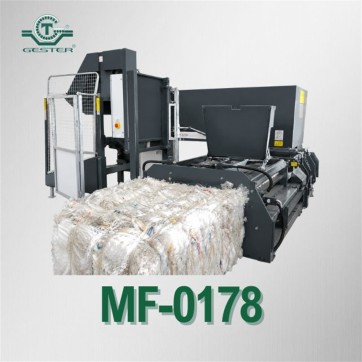
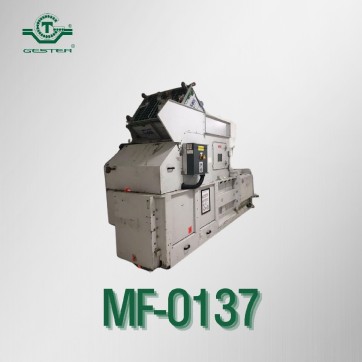
Horizontal hydraulic presses are designed to compress materials along a horizontal axis, making them suitable for industrial operations that handle larger quantities of plastic waste. Their configuration can facilitate material feeding, bale formation and integration into existing waste management processes.
These machines are widely used in recycling plants, manufacturing facilities and industrial environments where continuous waste handling is required. Depending on the model, horizontal presses may include semi-automatic or automatic operating functions to improve productivity and reduce manual intervention.
At Gester, you can find equipment such as our semi-automatic horizontal hydraulic baler, designed to compact different plastic materials into manageable bales.
Automatic and Semi-Automatic Plastic Balers
Automatic and semi-automatic baling presses are practical solutions for companies that need to process substantial quantities of recyclable material. Depending on their configuration, these machines can simplify feeding, compression and bale handling operations.
A semi-automatic press machine for plastic typically requires operator intervention during certain stages of the process, while automatic systems can perform more operations with reduced manual involvement. The most suitable configuration depends on production volume, available personnel and the required level of automation.
Applications of Presses for Plastic Materials
Plastic presses are widely used across industries where waste volume reduction is essential for maintaining efficient operations. Their ability to compress materials makes them valuable equipment in recycling, manufacturing and industrial waste management.
- Plastic Recycling Facilities: Compacting recyclable plastic waste before storage, transportation or further processing.
- Manufacturing and Production: Managing plastic offcuts, defective products and excess packaging materials generated during industrial operations.
- Packaging and Distribution: Reducing the volume of plastic film, wrapping materials and other recyclable packaging waste.
- Waste Management Companies: Preparing collected plastic materials for more efficient handling and transportation.
- Industrial Warehouses: Optimising storage space by compressing bulky plastic waste into organised bales.
Depending on the machine specifications, plastic balers can handle materials such as polyethylene (PE), polypropylene (PP) and certain other thermoplastics. It is important to verify material compatibility before selecting a press, as different plastics may require specific operating conditions.
Plastic Presses for Efficient Waste Compaction
A plastic press helps companies manage the large volumes of lightweight waste generated during production, packaging and recycling activities. Materials such as plastic films, containers and packaging components can occupy considerable storage space when they are not compacted.
By applying controlled pressure, a plastic press machine reduces the volume of these materials and facilitates their organisation into compact bales. This improves material handling and can simplify the subsequent stages of recycling or transportation.
Benefits of Plastic Waste Compaction
- Space Optimisation: Compressed plastic waste occupies less storage space, helping businesses maintain more organised working areas.
- Improved Material Handling: Compact bales are easier to organise, move and prepare for collection.
- Lower Logistics Costs: Reducing waste volume can improve transport efficiency and minimise collection frequency.
- Better Waste Management: Compaction facilitates the separation, storage and preparation of recyclable materials.
- Support for Recycling Processes: Efficient waste collection and preparation can contribute to more organised recycling operations and circular economy practices.
For companies operating complete recycling lines, presses and compactors can complement other industrial equipment. At Gester, we also offer plastic shredders for reducing the size of plastic waste before subsequent processing.
How to Choose the Right Plastic Press Machine
Selecting the right press for plastics requires evaluating the characteristics of the materials being processed and the operational requirements of the facility. Different machines provide varying levels of compaction force, production capacity and automation.
Before investing in a second-hand hydraulic press, several important factors should be considered:
- Material Type: Identify the plastic materials to be compacted and verify their compatibility with the selected equipment.
- Compaction Force: Consider the pressure required to achieve the desired bale density and dimensions.
- Production Volume: Choose a machine capable of handling the quantity of waste generated during normal operations.
- Bale Dimensions: Evaluate the size and weight of the finished bales according to storage and transportation requirements.
- Available Space: Determine whether a vertical or horizontal press is better suited to the installation.
- Automation Requirements: Assess whether manual, semi-automatic or automatic operation is most appropriate for the production workflow.
- Equipment Condition: Review the technical specifications, hydraulic components and maintenance requirements of the used machine.
At Gester, we understand that every industrial operation has different requirements. Our team provides personalised advice to help companies evaluate the available presses for plastic materials and identify equipment that meets their specific production and waste management needs.
Second-Hand Hydraulic Presses and Plastic Compactors at Gester
Investing in a used hydraulic press or plastic compactor is an excellent alternative for businesses looking to improve their waste management capabilities without the higher initial cost of purchasing new industrial machinery.
At Gester, we offer second-hand presses from different manufacturers, including vertical and horizontal hydraulic balers with varying technical characteristics. Our catalogue includes equipment suitable for companies working in plastic recycling, industrial manufacturing and waste management.
For example, businesses requiring horizontal compaction equipment can explore our horizontal hydraulic baler, while other models may provide different capacities and operating configurations.
We help companies identify suitable equipment by providing technical information and guidance on the available machinery. Specifications, operating condition and compatibility should always be assessed individually to ensure that the selected machine meets the requirements of each application.
Explore our selection of used presses and compactors to find the right solution for your business. You can also discover our industrial packaging machinery and complete catalogue of second-hand plastic recycling machines to optimise different stages of your industrial operations.
Frequently Asked Questions
 Recycling and pelletizing
9 types
 Extrusion
8 types
 Mixing equipment
2 types
 Conveying and storage
8 types
 Drying and cooling
2 types
 Cutting, pressing and packaging
4 types
 Plastic processing machinery
3 types
 Electromechanical equipment
7 types
 Miscellaneous machinery
11 types