Plastic Pelletizer Machines
A plastic pelletizer is essential equipment for companies involved in plastic recycling and industrial manufacturing. These machines transform processed plastic materials into pellets that are easier to handle, store, transport and reuse in subsequent production processes. Whether processing industrial plastic scrap or recovering recyclable thermoplastics, pelletizing equipment plays an important role in improving material management and production efficiency.
At Gester, we specialise in supplying plastic pelletizer machines and industrial pelletizing equipment for different production requirements. Our catalogue includes second-hand machinery, selected new equipment, individual pelletizers and complete extrusion lines, helping businesses find cost-effective solutions for their plastic processing operations.
From strand cutting systems to extrusion and cooling equipment, our selection of plastic pelletizing machinery is designed to meet the needs of recycling facilities, manufacturers and companies looking to optimise their production lines.
What Is a Plastic Pelletizer and How Does It Work?
A plastic pelletizer machine is used to produce small plastic pellets from materials processed through extrusion or other suitable manufacturing systems. These pellets can subsequently be used as raw material in injection moulding, extrusion and other plastic transformation processes.
In a typical extrusion-based pelletizing line, prepared plastic material is fed into an extruder, where it is heated, melted and conveyed through a screw system. The molten polymer then passes through a die, where it is shaped before being cut into pellets.
Depending on the equipment configuration, the cutting process can take place directly at the die face or after the material has been extruded into strands and cooled.
The pellets may then pass through cooling, drying and conveying equipment before being collected for storage or further manufacturing.
The efficiency of plastic pelletizer equipment depends on several factors, including material characteristics, extrusion temperature, cutting speed, cooling conditions and the required pellet dimensions.
Types of Plastic Pelletizing Machinery
Different plastic materials and production requirements call for specific pelletizing technologies. At Gester, we offer several types of industrial pelletizing equipment, allowing companies to select machinery according to their processes, production capacity and available installations.
Plastic Strand Pelletizers
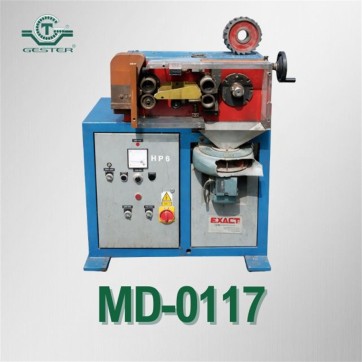
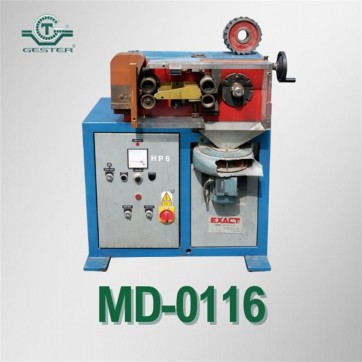
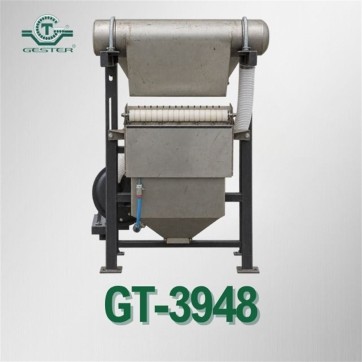
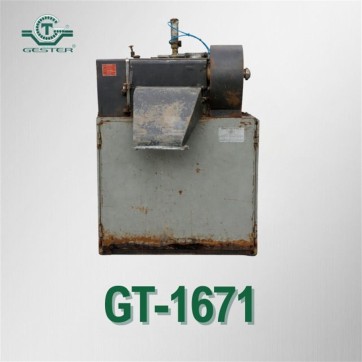
A plastic strand pelletizer is designed to cut continuous plastic strands into pellets after they have been extruded and sufficiently cooled. These machines are commonly used in recycling and plastic manufacturing lines where consistent pellet dimensions and controlled cutting are required.
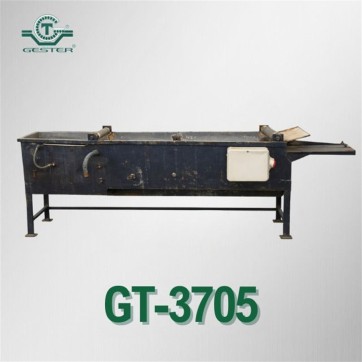
During the process, molten plastic exits the extrusion die in continuous strands, which pass through a cooling system before reaching the pelletizer. Rotating cutting blades then divide the strands into small pellets suitable for subsequent processing.
Strand pelletizing systems are widely used in thermoplastic processing and can be integrated into different extrusion configurations.
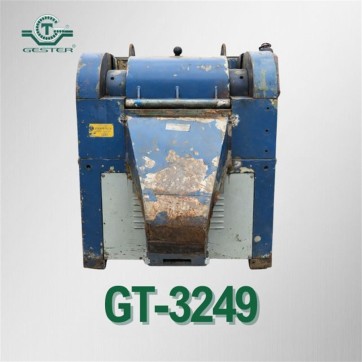
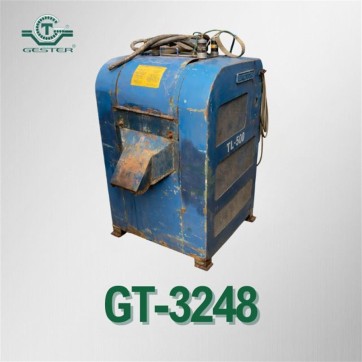
At Gester, our catalogue includes equipment such as the industrial strand pelletizer, featuring a 7.5 kW motor and a cutting width of 400 mm.
Die-Face Pelletizing Systems
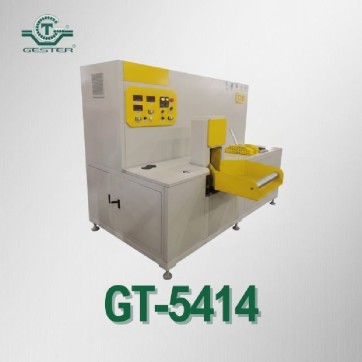
Die-face pelletizing systems cut molten plastic directly at the extrusion die, eliminating the need to form and transport continuous strands before cutting. Rotating blades operate close to the die surface, producing pellets that are subsequently cooled and transported according to the system configuration.
Different technologies are available, including air-cooled, water-ring and underwater pelletizing systems. Each configuration provides specific advantages depending on the processed material, production requirements and cooling conditions.
Die-face cutting can be particularly useful in applications where maintaining continuous strand formation is difficult or where direct cutting at the die outlet is preferred.
Browse our die-face pellet cutting systems to find equipment for this specific stage of the process, including air and water cutting equipment for plastic pellet production.
Plastic Pelletizing Extruders
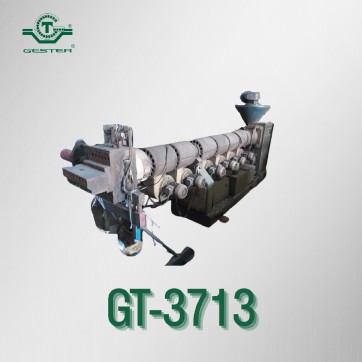
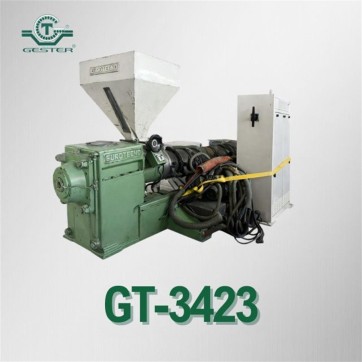
Plastic pelletizing extruders are used to melt, homogenise and process thermoplastic materials before pellet formation. These machines are an essential part of many industrial recycling lines, preparing the molten polymer for filtration, extrusion and cutting.
Depending on the model, a pelletizing extruder may incorporate filtration systems, degassing equipment, temperature controls and different pellet cutting technologies.
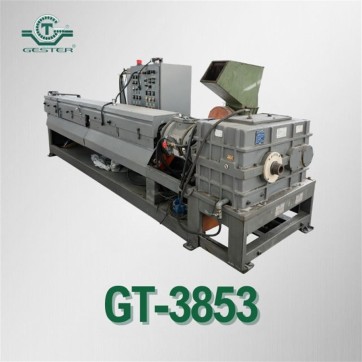
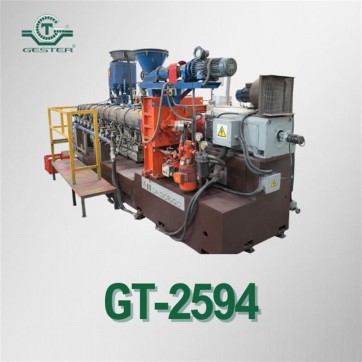
At Gester, we offer industrial equipment such as the EUROTECNO pelletizing extruder, featuring a 160 kW motor, a single-screw configuration and a water-ring pelletizing system.
For companies requiring extrusion machinery for other plastic processing applications, we also recommend exploring our range of single screw extruders.
Complete Plastic Pelletizing Lines
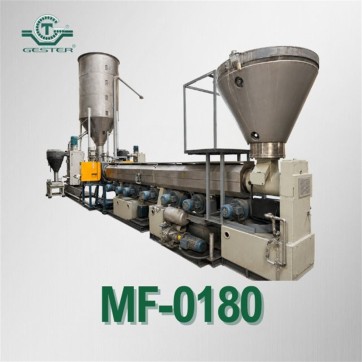
A complete plastic pelletizing line combines several machines to transform prepared plastic material into reusable pellets. Depending on the production requirements, these installations may include feeding equipment, extruders, filtration systems, pelletizers, cooling units and material conveying equipment.
Integrated pelletizing lines can help companies coordinate different production stages and maintain stable processing conditions throughout the operation.
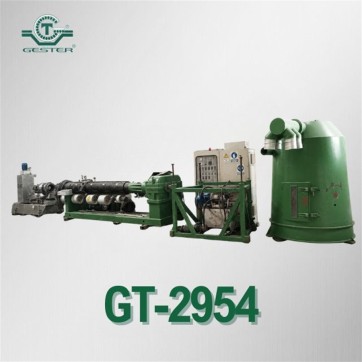
At Gester, our catalogue includes equipment such as the EUROTECNO plastic pelletizing line, which incorporates a single-screw extruder, hydraulic screen changer, pelletizing die head, cooling trough, strand pelletizer and electrical control panel.
Key Benefits of Using a Plastic Pelletizer Machine
Investing in a plastic pelletizer machine can provide important operational and economic advantages for companies involved in recycling and industrial production.
- Efficient Material Recovery: Pelletizing systems transform suitable processed plastic waste into reusable pellets, facilitating its incorporation into subsequent manufacturing processes.
- Reduced Raw Material Costs: Recovering and reprocessing compatible plastic scrap can reduce the need to purchase virgin materials, depending on production requirements and material quality.
- Improved Material Handling: Pellets are generally easier to transport, store, dose and feed into industrial processing equipment than irregular plastic scrap.
- Consistent Pellet Production: Proper cutting and cooling conditions help achieve uniform pellet dimensions and improve downstream processing.
- Versatile Industrial Applications: Different pelletizing configurations can process a range of thermoplastic materials according to their characteristics and equipment compatibility.
- More Efficient Production: Integrating pelletizing machinery into a recycling line can improve material flow and reduce unnecessary intermediate handling.
- Support for Circular Economy Practices: Reprocessing suitable plastic waste helps recover valuable materials and reduce dependence on new raw material resources.
Which Plastic Materials Can Be Processed with a Pelletizer?
Plastic pelletizing equipment can process different thermoplastic materials, provided that the selected machinery is compatible with their physical characteristics and processing requirements.
Some of the most common materials used in industrial pelletizing applications include:
- Polyethylene (PE): Commonly used in packaging, films, containers and industrial products. Different polyethylene grades require suitable extrusion and cooling conditions.
- High-Density Polyethylene (HDPE): Frequently recovered from rigid containers, pipes and other industrial plastic products.
- Low-Density Polyethylene (LDPE): Widely used in flexible packaging, plastic films and production waste.
- Polypropylene (PP): Commonly processed in recycling and manufacturing operations involving containers, moulded components and industrial scrap.
- Polyethylene Terephthalate (PET): Can be processed using compatible pelletizing equipment, often requiring careful moisture control and suitable extrusion conditions.
- Polystyrene (PS): Certain grades can be pelletized using equipment adapted to the material's processing characteristics.
Material preparation is essential to achieve stable production and consistent pellet quality. Depending on the origin and condition of the plastic waste, shredding, grinding, washing, drying or filtration may be necessary before pelletizing.
Plastic Pelletizing Equipment in Recycling Processes
A plastic pelletizer is often part of a larger recycling installation where several machines work together to recover and prepare plastic materials for reuse.
Before pellet production, bulky plastic waste may need to be reduced in size using industrial shredders or granulators. This preparation helps obtain material dimensions suitable for further processing and feeding into the extrusion system.
At Gester, we offer plastic granulators and grinders that can be integrated into recycling operations requiring material size reduction before extrusion and pelletizing.
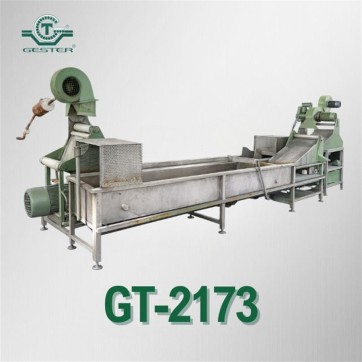
When processing contaminated plastic waste, washing and dewatering may also be required to remove impurities and reduce moisture content. Our selection of plastic washing and dewatering equipment includes machinery used in different material recovery applications.
Once the plastic has been properly prepared, the extrusion and pelletizing stages convert it into pellets suitable for further processing, subject to the required material quality standards.
Correct integration between these machines helps maintain stable production conditions, reduce material handling problems and improve the overall efficiency of industrial recycling lines.
How to Choose the Right Plastic Pelletizer Equipment
Selecting the most suitable plastic pelletizer equipment requires evaluating the characteristics of the material, the required production capacity and the configuration of the existing industrial installation.
Before purchasing a pelletizing machine, several technical factors should be considered:
- Type of Plastic: Identify the polymer to be processed and verify its compatibility with the extrusion, cutting and cooling systems.
- Production Capacity: Determine the required throughput in kilograms per hour and choose equipment suited to the expected operating conditions.
- Pelletizing Technology: Evaluate whether strand cutting, die-face cutting or another pelletizing configuration is more appropriate for the material.
- Extruder Specifications: Consider screw diameter, length-to-diameter ratio, motor power and processing requirements.
- Pellet Dimensions: Check the cutting system and operating adjustments needed to produce the required pellet size.
- Cooling and Drying: Assess the necessary cooling method and whether additional drying or dewatering equipment is required.
- Machine Compatibility: Verify the electrical, mechanical and production requirements for integration into an existing line.
- Equipment Condition: Review the available technical information, maintenance requirements and operating condition before purchasing used machinery.
At Gester, we understand that every production line has specific requirements. Our team provides personalised advice to help companies evaluate different pelletizing systems and identify machinery suited to their industrial applications.
Plastic Pelletizing Machine Price: What Factors Influence the Cost?
The price of a plastic pelletizing machine depends on several factors, including the equipment type, manufacturer, production capacity, technical configuration and overall condition.
Individual strand pelletizers, pelletizing extruders and complete recycling lines have different specifications and investment requirements. Additional equipment, such as cooling systems, filtration units and material handling components, can also influence the total cost of an installation.
Choosing second-hand machinery can help reduce the initial investment compared with purchasing equivalent new equipment. However, it is important to assess the technical condition, maintenance needs and compatibility of each machine before making a decision.
At Gester, we provide information about our available plastic pelletizing machinery and offer personalised quotations according to the selected equipment. Contact our team to discuss your production requirements and request further information about the machines that interest you.
Second-Hand Plastic Pelletizers for Sale at Gester
Investing in second-hand plastic pelletizers is a practical option for companies looking to expand their production capacity, replace existing machinery or develop new plastic recycling operations while managing equipment acquisition costs.
At Gester, we specialise in supplying industrial machinery for plastic recycling and processing. Our catalogue includes used plastic pelletizer machines, extrusion equipment, strand cutting systems, cooling units and complete pelletizing lines from different manufacturers.
We also offer selected new machinery for businesses requiring alternative equipment configurations. This allows companies to compare different solutions according to their production needs, available budget and technical requirements.
Whether you need a standalone plastic pelletizer machine or equipment for a complete recycling installation, our team can help you review the available options and identify suitable machinery.
Explore our range of plastic pelletizing equipment and discover how Gester can help you improve your production processes. You can also browse our complete catalogue of second-hand plastic recycling machinery to find additional industrial equipment for your business.
Frequently Asked Questions
 Recycling and pelletizing
9 types
 Extrusion
8 types
 Mixing equipment
2 types
 Conveying and storage
8 types
 Drying and cooling
2 types
 Cutting, pressing and packaging
4 types
 Plastic processing machinery
3 types
 Electromechanical equipment
7 types
 Miscellaneous machinery
11 types