
 Recycling and pelletizing
9 types
Recycling and pelletizing
9 types
 Extrusion
8 types
Extrusion
8 types
 Mixing equipment
2 types
Mixing equipment
2 types
 Conveying and storage
8 types
Conveying and storage
8 types
 Drying and cooling
2 types
Drying and cooling
2 types
 Cutting, pressing and packaging
4 types
Cutting, pressing and packaging
4 types
 Plastic processing machinery
3 types
Plastic processing machinery
3 types
 Electromechanical equipment
7 types
Electromechanical equipment
7 types
 Miscellaneous machinery
11 types
Miscellaneous machinery
11 types
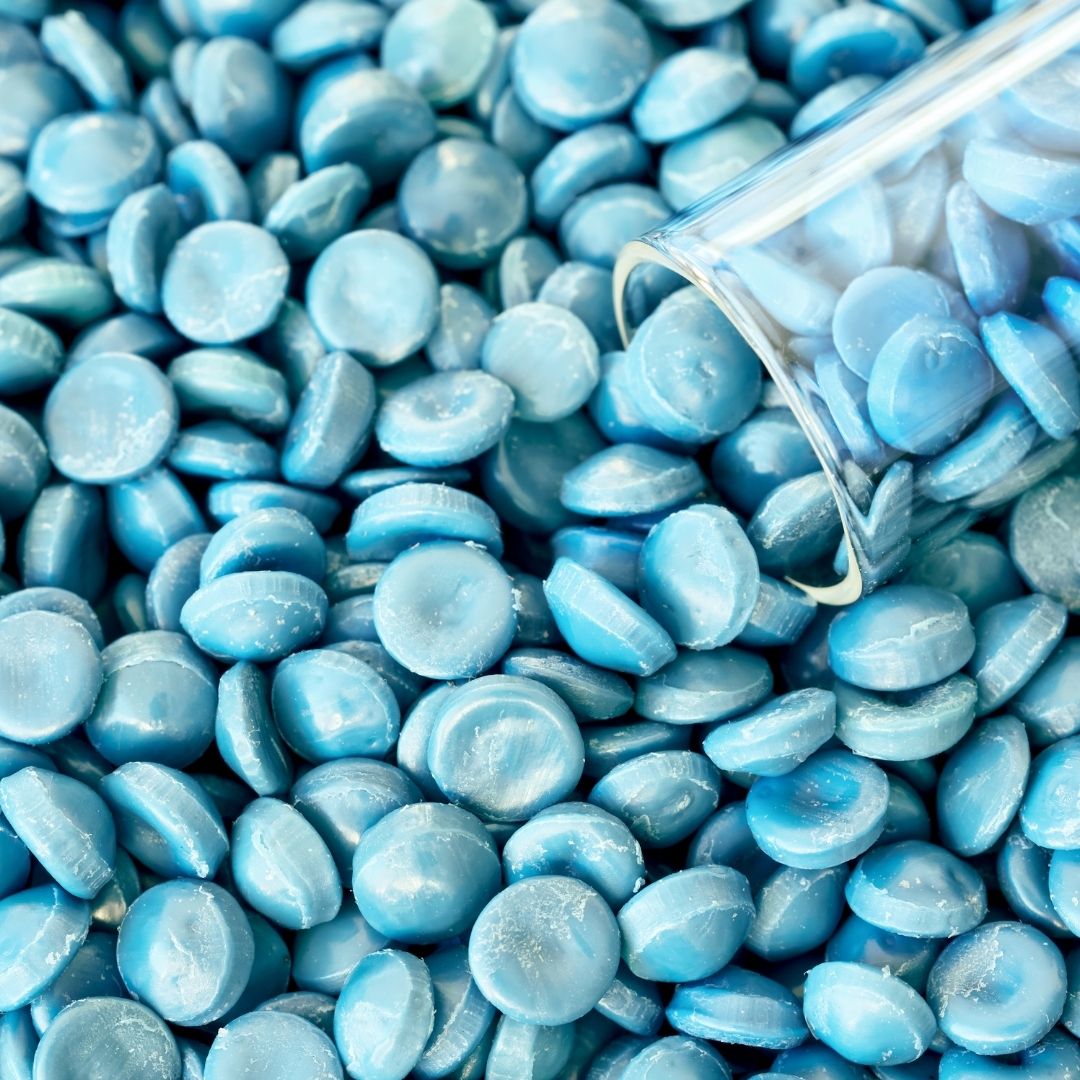 What Is HDPE (High-Density Polyethylene)? Properties, Recycling, and Industrial Applications
HDPE, known as High-Density Polyethylene, is one of the most widely used thermoplastics in modern industry. Its mechanical resistance, chemical stability, and ease of processing make it an essential material for packaging, extrusion, civil engineering, fluid transport systems, and plastic recycling.
It is commonly used in pressure pipes, industrial containers, tanks, geomembranes, food packaging, and numerous technical components. To better position HDPE within the polymer family, it is useful to understand the classification of different types of plastics as well as the main characteristics of polyethylene materials used in industry.
Technical Definition of HDPE
A Semi-Crystalline Polymer
HDPE is produced through the polymerization of ethylene. Its molecular structure is linear with very few branches, which gives it higher density and greater rigidity than softer polyethylene materials.
A High-Density Structure
This compact structure explains its impact resistance, dimensional stability, and strong resistance to mechanical stress. HDPE plastic is therefore particularly suitable for demanding industrial environments, especially when the material must withstand moisture, chemicals, or heavy loads.
The HDPE Recycling Symbol
HDPE is identified by recycling code number 2 inside the recycling triangle. This code facilitates sorting operations in recycling facilities and distinguishes HDPE from other plastic resins such as PET, PVC, PP, or LDPE.
HDPE is widely used for bottles, industrial containers, food packaging, and extruded components. Its high recyclability explains why HDPE recycling and industrial applications play an important role in the circular economy of plastics.
Differences Between HDPE and Other Plastics
HDPE vs LDPE
LDPE, or Low-Density Polyethylene, is more flexible than HDPE but generally offers lower mechanical resistance. It is mainly used for plastic films, bags, and flexible packaging, while HDPE is preferred for pipes, containers, sheets, profiles, and structural applications.
To better understand the differences between HDPE and LDPE, it is necessary to compare their density, rigidity, extrusion behavior, and industrial applications.
HDPE vs PVC
In water distribution, gas networks, or fire protection systems, HDPE is often preferred over PVC when flexibility, impact resistance, and the ability to tolerate ground movement are priorities.
HDPE vs UHMWPE
UHMWPE offers superior wear resistance, but it is more expensive and more difficult to process. HDPE therefore remains the standard choice for many industrial applications requiring a balanced combination of performance, cost, and processability.
Properties of High-Density Polyethylene
Mechanical Properties
HDPE offers high rigidity, strong impact resistance, and excellent dimensional stability. It withstands mechanical stress effectively without deforming easily.
Chemical Resistance
HDPE resists many acids, alkalis, salts, light solvents, and industrial detergents. This chemical resistance makes it suitable for tanks, pipelines, containers, and equipment exposed to aggressive industrial environments.
Thermal Behavior
HDPE generally melts between 125 °C and 135 °C. It also maintains good properties at low temperatures, making it suitable for outdoor applications or installations exposed to major climate variations.
Moisture Absorption
HDPE absorbs very little water. This low moisture absorption guarantees excellent dimensional stability, even in humid, buried, or submerged environments.
Industrial Applications of HDPE
Packaging and Containers
HDPE is used to manufacture bottles, jerrycans, resistant bags, and industrial containers for the food, cosmetic, chemical, and logistics industries.
Fluid Transport Systems
HDPE pipes are commonly used in potable water systems, gas distribution, irrigation networks, and fire protection installations. Their mechanical resistance, flexibility, and long service life make them reliable infrastructure solutions.
Pipe and Profile Extrusion
Extrusion is one of the most important processes for transforming HDPE. HDPE pipe and profile extrusion lines make it possible to manufacture pipes, conduits, technical profiles, and industrial components with consistent properties adapted to each application.
Civil Engineering and Geomembranes
HDPE geomembranes are used for sealing ponds, tunnels, landfills, canals, and hydraulic structures. Their chemical resistance and durability make them a standard material in civil engineering.
Technical Components
Thanks to extrusion, molding, and machining processes, HDPE can be used to manufacture sheets, profiles, fittings, tanks, and custom-made industrial components.
Applications of Recycled HDPE
Recycled HDPE is used to manufacture technical pipes, pallets, protective conduits, industrial containers, sheets, profiles, and extruded components for industry, construction, and logistics.
Modern mechanical recycling processes make it possible to recover HDPE in the form of flakes or pellets while maintaining strong mechanical properties when sorting, washing, and extrusion are properly controlled.
This process forms part of a broader strategy of industrial polymer recycling, where each processing stage directly influences the quality of the recycled material.
Available HDPE Formats
Sheets and Panels
HDPE sheets are used for industrial machining, technical linings, protective surfaces, anti-wear components, and material handling equipment.
Pipes and Conduits
HDPE pipes are available in numerous diameters and pressure classes for fluid distribution networks, irrigation systems, gas transport, and cable protection.
Technical Accessories
HDPE is also used for fittings, flanges, end caps, and special components designed to guarantee sealing performance and resistance in industrial systems.
HDPE Manufacturing
Ethylene Polymerization
HDPE is produced through the polymerization of ethylene using specific catalysts. This molecular structure control makes it possible to obtain a dense, rigid polymer suitable for technical applications.
Industrial Processing Methods
The main HDPE processing methods include extrusion, blow molding, injection molding, rotational molding, and compounding. These technologies make it possible to manufacture pipes, sheets, containers, hollow parts, and industrial components.
HDPE Recycling
HDPE is one of the most recyclable plastics thanks to its chemical stability, resistance, and ability to be reprocessed several times. Recycling helps reduce virgin material consumption while recovering industrial and post-consumer plastic waste.
Recycling Process
HDPE recycling includes several stages: collection, sorting, grinding, washing, drying, extrusion, filtration, and pelletizing. Sorting and washing quality are essential to obtain homogeneous and reusable recycled material.
Machinery Used
The required equipment includes shredders, washing lines, separation systems, dryers, extruders, melt filters, and pelletizing units. These technologies transform HDPE waste into secondary raw material suitable for industrial production.
Sustainability
Thanks to its long service life and high recyclability, HDPE contributes to the development of a more sustainable circular economy within the plastics industry.
Comparison Table: HDPE vs LDPE
| Property | HDPE | LDPE |
|---|---|---|
| Density | High | Low |
| Rigidity | High | Flexible |
| Chemical Resistance | Very High | High |
| Main Applications | Pipes, containers, sheets, geomembranes | Plastic films, bags, flexible packaging |
| Recyclability | Excellent | Good |
Cost and Pricing Factors
The price of HDPE depends on raw material costs, resin type, industrial demand, product format, processing level, and recycled material quality. HDPE resin pellets are often used as a market reference to monitor price evolution.
Food Contact Safety
HDPE is considered safe for food contact when it complies with applicable regulations. It is widely used for food packaging because of its chemical stability, moisture resistance, and absence of significant taste or odor.
FAQ About HDPE
What Is HDPE Plastic?
HDPE is a high-density polyethylene used in packaging, pipes, geomembranes, tanks, and industrial applications thanks to its mechanical and chemical resistance.
Is HDPE Recyclable?
Yes, HDPE is one of the most recycled plastics. It can be sorted, shredded, washed, extruded, and transformed into reusable pellets.
What Is the Difference Between HDPE and LDPE?
HDPE is more rigid, denser, and more resistant. LDPE is more flexible and mainly used for plastic films, bags, and flexible packaging.
What Is HDPE Used for in Industry?
HDPE is used to manufacture pipes, containers, sheets, profiles, geomembranes, tanks, technical parts, and plastic packaging.
Conclusion
HDPE, or High-Density Polyethylene, is an essential material in modern industry. Its mechanical resistance, chemical stability, low moisture absorption, and recyclability make it a versatile solution for packaging, fluid transport systems, civil engineering, extrusion, and industrial recycling.