 Recycling and pelletizing
9 types
Recycling and pelletizing
9 types
 Extrusion
8 types
Extrusion
8 types
 Mixing equipment
2 types
Mixing equipment
2 types
 Conveying and storage
8 types
Conveying and storage
8 types
 Drying and cooling
2 types
Drying and cooling
2 types
 Cutting, pressing and packaging
4 types
Cutting, pressing and packaging
4 types
 Plastic processing machinery
3 types
Plastic processing machinery
3 types
 Electromechanical equipment
7 types
Electromechanical equipment
7 types
 Miscellaneous machinery
11 types
Miscellaneous machinery
11 types
EQUIPMENT FOR TRANSPORT AND LIFTING
EQUIPMENT FOR TRANSPORT AND LIFTING
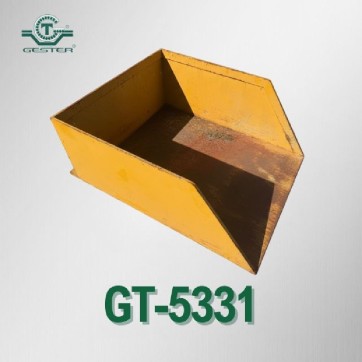
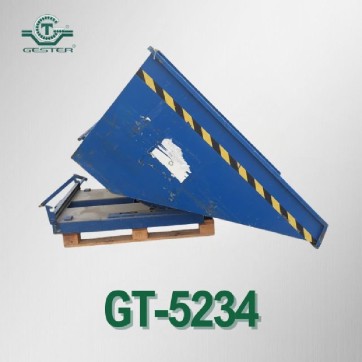
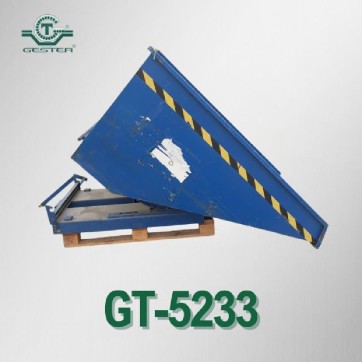
Tilting Hopper
Year:
2008
Model:
1800 x 1200.
+ info:
2.000 kg
Type:
In stock
EQUIPMENT FOR TRANSPORT AND LIFTING
Tilting Hopper
Year:
2008
Model:
1800 x 1200.
+ info:
2.000 kg
Type:
In stock
Used Transport and Lifting Equipment
At Gester, we offer a wide range of used transport equipment and lifting machinery designed to improve logistics, material handling and internal movement within industrial facilities. Our selection may include conveyors, forklifts, lifting platforms, hoists and other machines suitable for handling products, components and heavy loads in warehouses, factories, workshops and production plants.
Transport Equipment for Industrial Logistics
Our equipment forms part of a broader range of conveying and storage machinery intended to optimise the movement of raw materials, semi-finished products and finished goods. Choosing the right handling system can reduce manual work, improve workflow and help prevent bottlenecks between different areas of an industrial facility.
Available transport equipment may include roller conveyors, mobile conveyors, powered belts, forklifts and other solutions for moving materials horizontally or between different working heights. Each machine can be reviewed according to its condition, load capacity, dimensions, power requirements and intended application.
For continuous movement between production stages, companies can combine transport equipment with conveyor belts and screw conveyors. Belt conveyors are suitable for packaged goods, components and bulk materials, while screw conveyors provide controlled transfer of powders, pellets, granules and other free-flowing products.
Efficient Transport and Loading Solutions
Industrial transport machinery can be used to move materials from reception and storage areas to processing, assembly, inspection or dispatch points. The most appropriate configuration will depend on the type of load, required speed, transport distance, working height and available installation space.
In many production plants, materials are discharged from tanks and hoppers before being transferred by conveyor, forklift or another handling system. Coordinating storage and transport equipment helps maintain a controlled material supply and reduces unnecessary accumulation between processes.
Used transport machinery can offer an economical way to replace outdated equipment, expand an existing line or automate processes that were previously performed manually. Machinery already available in stock may also reduce implementation times compared with newly manufactured equipment.
Lifting Machines for Industrial Operations
Lifting machines are used to raise, position and move loads safely within production plants, warehouses and workshops. Depending on the operation, companies may require forklifts, scissor lifts, chain blocks, electric hoists or overhead lifting systems.
For demanding lifting applications, our selection of hoists and overhead cranes can provide controlled movement of machinery, containers, components and heavy industrial loads. These systems are especially useful where materials must be lifted repeatedly or positioned accurately above workstations and production areas.
The correct lifting equipment should be selected according to load weight, required lifting height, operating frequency, travel distance and installation conditions. It is also essential to verify that the machinery is compatible with the available structure, electrical supply and intended working environment.
Types of Industrial Hoists
Electric Hoists
Electric hoists use a powered motor to raise and lower loads with limited manual effort. They are suitable for repetitive lifting tasks in factories, workshops and warehouses where speed, precision and productivity are important.
Depending on the model, an electric hoist may be installed on a fixed support, travelling trolley or overhead crane. Load capacity, lifting speed, chain or cable length and duty cycle should all be considered before selecting a suitable machine.
Manual Hoists
Manual hoists operate through a hand chain, lever or pulley mechanism. They provide a practical solution for occasional lifting tasks, maintenance work and locations where an electrical power source is unavailable.
Their relatively compact design makes them easy to move and install in different working areas. However, they are generally more suitable for intermittent operations than for continuous high-volume lifting.
Chain Hoists
Chain hoists may be manually or electrically operated and are designed to lift loads through a chain-and-hook system. Their robust construction makes them suitable for industrial environments where machinery, components or containers must be raised with stability and control.
When selecting a chain hoist, businesses should consider the rated load capacity, lifting height, chain condition, suspension type and frequency of operation.
Transport Equipment Within Complete Production Lines
Transport and lifting machinery can connect the different stages of manufacturing, recycling, storage and dispatch. Once a product has been processed, conveyor systems or forklifts may move it towards packaging machinery for filling, wrapping, sealing, labelling or preparation for shipment.
Integrating these systems can create a more continuous workflow from raw-material reception to final product handling. Properly planned transport routes also reduce unnecessary movement, improve the use of available space and help operators handle loads more efficiently.
Advantages of Buying Used Transport and Lifting Machinery
Purchasing used transport equipment can reduce the investment required to improve industrial logistics. It also extends the working life of existing machinery, supporting a more sustainable approach to industrial equipment acquisition.
- Lower acquisition cost: Used machines generally require less investment than equivalent new equipment.
- Faster availability: Equipment already in stock may be installed sooner than machinery manufactured to order.
- Improved productivity: Automated transport and lifting systems can reduce manual handling and production delays.
- Flexible integration: Many conveyors, hoists and lifting machines can be incorporated into existing facilities.
- Wide industrial application: These machines can be used in manufacturing, logistics, recycling, plastics processing, construction and warehousing.
How to Choose the Right Equipment
The most suitable transport or lifting machine will depend on the characteristics of the load and the layout of the facility. Important factors include weight, dimensions, required movement, operating frequency, available space, travel distance and working height.
Available equipment can be assessed according to brand, model, year, load capacity, motor power, dimensions, condition and compatibility with the intended process. Our technical team can help you compare these specifications and identify suitable machinery for your operation.
Frequently Asked Questions
Explore our current selection of used transport and lifting equipment and find a practical solution for improving material movement, load handling and operational efficiency. Contact Gester for technical specifications, availability or assistance selecting suitable machinery for your facility.
Last blog articles
Industrial Machinery Transport in Spain: Safe and Efficient Solutions
What Is an Extruder, How Does It Work, and What Is It Used For ?
HDPE or High-Density Polyethylene: What Is It, Properties, and Uses
Screw Compressor: What Is It, How It Works, Types, and Advantages
Indirect extrusion: what it is, how it works, and applications
See all